





What is Umami? Explaining the 5th Taste

What are Umami Flavors?
Umami is the term used to describe the fifth sense of taste. The four basic tastes had been identified for a long time; sweet, sour, bitter and salty. It wasn’t until the beginning of the 1900’s that a Japanese chemist by the name of Kikunae Ikeda unearthed the fifth taste that we now know as -- UMAMI. Ikeda’s research led to the discovery of the source of this savory flavor: glutamic acid.
The word is derived from “umai” meaning delicious, and “mi” meaning taste. Umami is often defined in the English translation as “pleasant savory taste.”
Umami Foods
There are plenty of savory, umami-rich foods which pack that deep flavor, such as tamari, miso, and kombu.
Dashi broth is made with kombu and rich in umami flavor. In fact, it was kombu that inspired Ikeda’s research.
For even more umami punch, think green tea, parmesan cheese, and even tomatoes.
Umami Ramen
One of the easiest ways to make a delicious umami ramen is to use miso in your broth. Ramen broth recipes vary widely, and often have a vegetable, pork or chicken stock base. To make your broth blast off with flavor try adding three tablespoons of Traditional Red Miso per quart of liquid to your recipe.
To add miso paste to your broth, first mix the miso paste with warm water and stir until the mixture is smooth. Then add the mixture to your broth. This helps the miso incorporate better into your soup base. Note: To maintain the integrity of the live bacteria in miso paste, refrain from boiling.
You can also substitute soba noodles for ramen noodles if you’re looking for a buckwheat alternative.
Umami Seasoning
Miso is one of the easiest and most versatile ways to add a savory element to foods. Miso comes in multiple varieties that range in concentration of flavor meaning there’s an option for everything from salmon and sauce to bread and dessert.
Make it Umami with Miso
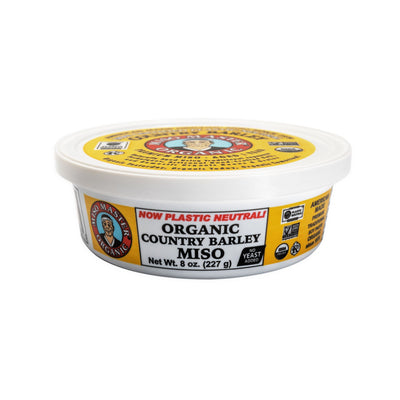
Miso Master Organic Miso comes in different varieties for a range of flavors. Here’s a quick breakdown.
Short-term Miso Varieties
Our short-term miso is aged for thirty days. This produces a lighter color and milder flavor. Short-term miso is excellent for adding to desserts, baked goods, salad dressings, and vegan cheeses.
Long-term Miso Varieties
Our long-term miso is aged for a minimum of one year. This produces both a darker color and a more concentrated flavor. Long-term miso is exquisite in stews, soups, sauces and marinades.
Share this
Featured Recipe


Popular posts


